This website uses cookies to improve your experience. We'll assume you're ok with this, but you can opt-out if you wish. Read More


Prof Giorgio Mannina
Professor of Sanitary and Environmental Engineering, Palermo University, Italy
Director and Founder of the Water Resource Recovery Facility, Palermo University, Italy
Chair of the Bachelor and Master degrees in Civil Engineering at Palermo University
Chair of the double degrees in Environmental and Civil Engineering at Palermo University with Tongji University (China), Gdansk University (Poland), and Tianjin Chengjian University (China)
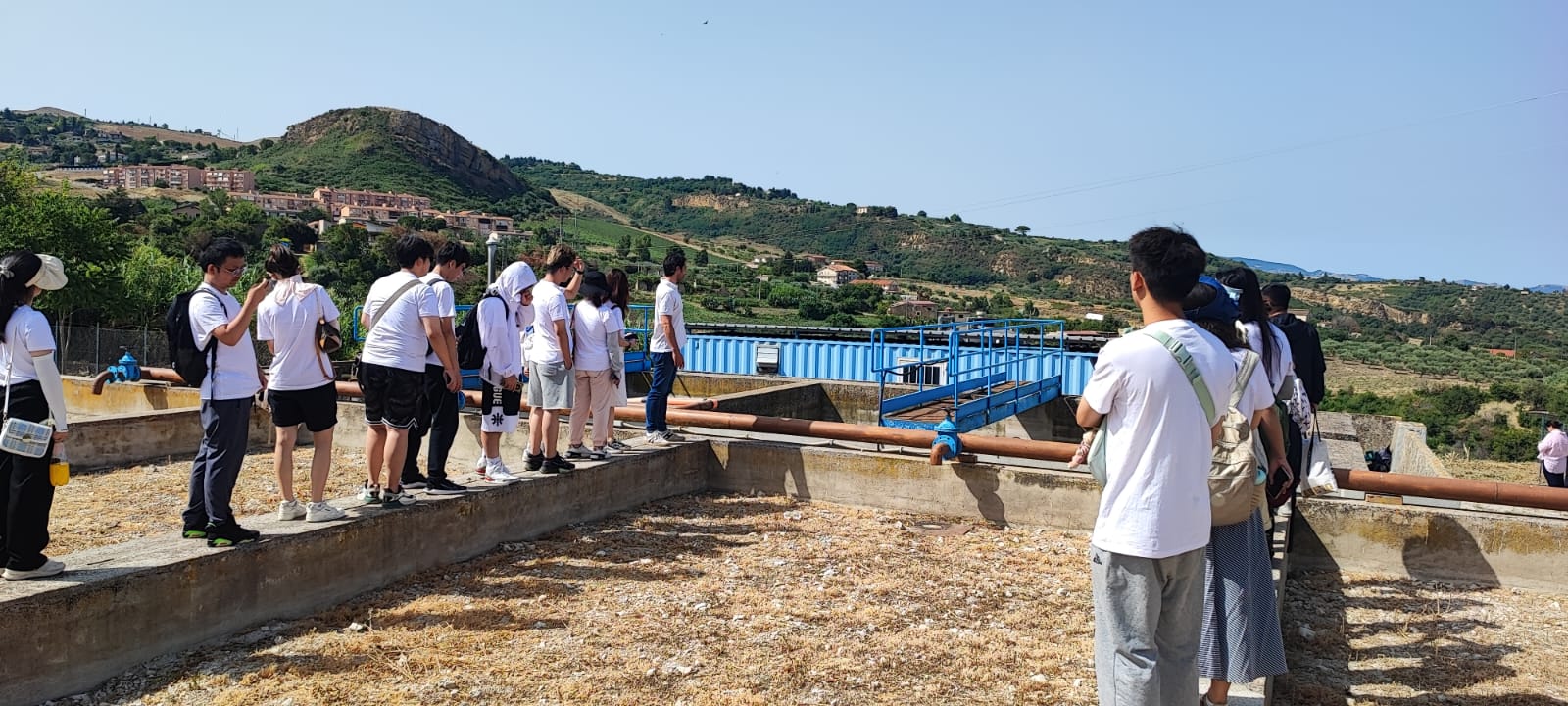
The project Achieving wider uptake of water-smart solutions WIDER – UPTAKE aims to facilitate industrial symbiosis as a mean to increase resource efficiency, limit emissions and develop sustainable water-smart solutions. WIDER UPTAKE will apply a case study approach that will provide applied knowledge on operationalization of the solutions in a range of socio-economic, environmental and climatic condition. In Italy, the WIDER-UPTAKE concept was implemented in three demonstration sites, two at full scale, near Palermo (Sicily – IT), Marineo and Corleone wastewater treatment plants, and one inside the UNIPA Campus, the Resource Recovery HUB for net-zero carbon and climate change mitigation.
Marineo WWTP
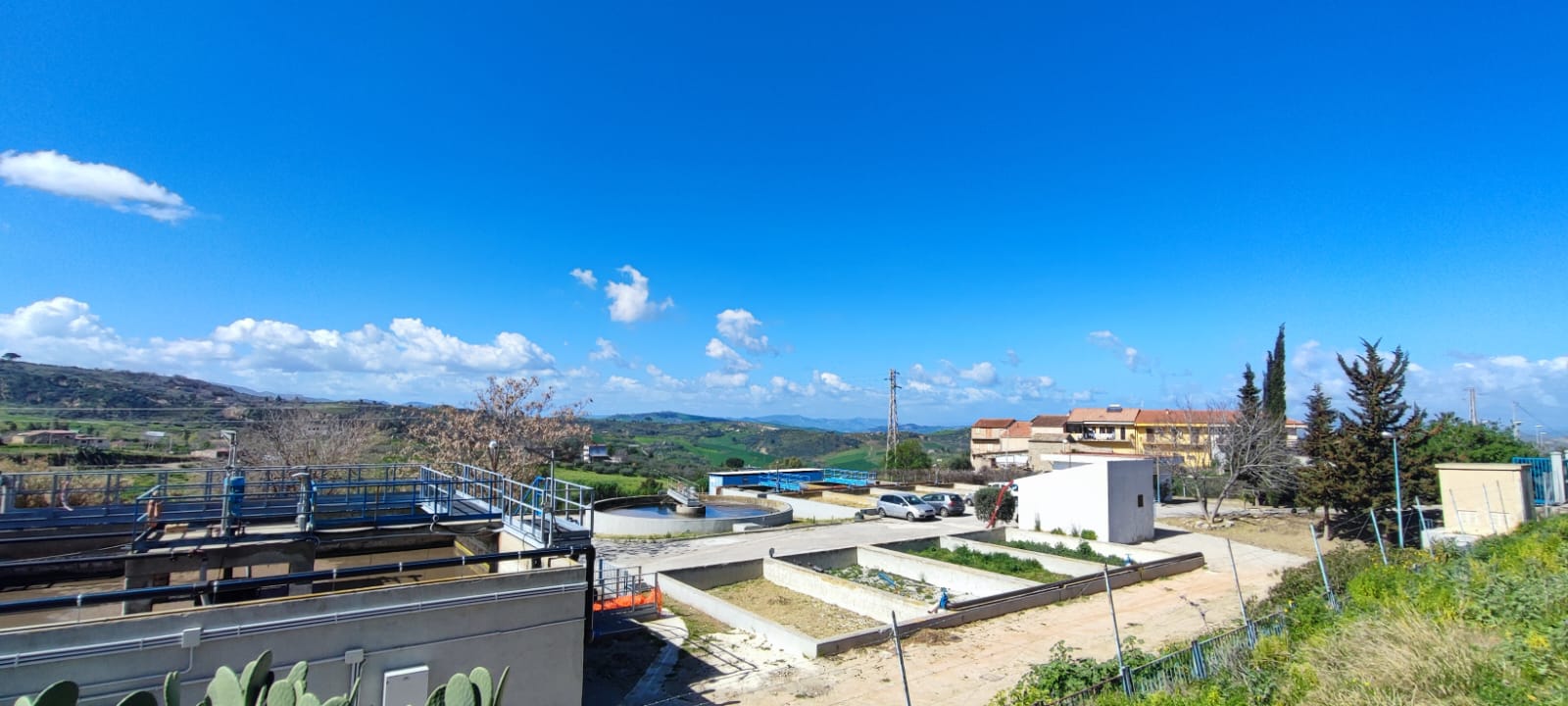
The Marineo WWTP (7,000 IE) is a conventional activated sludge plant (combined basins) followed by a surface filtration unit and UV disinfection.
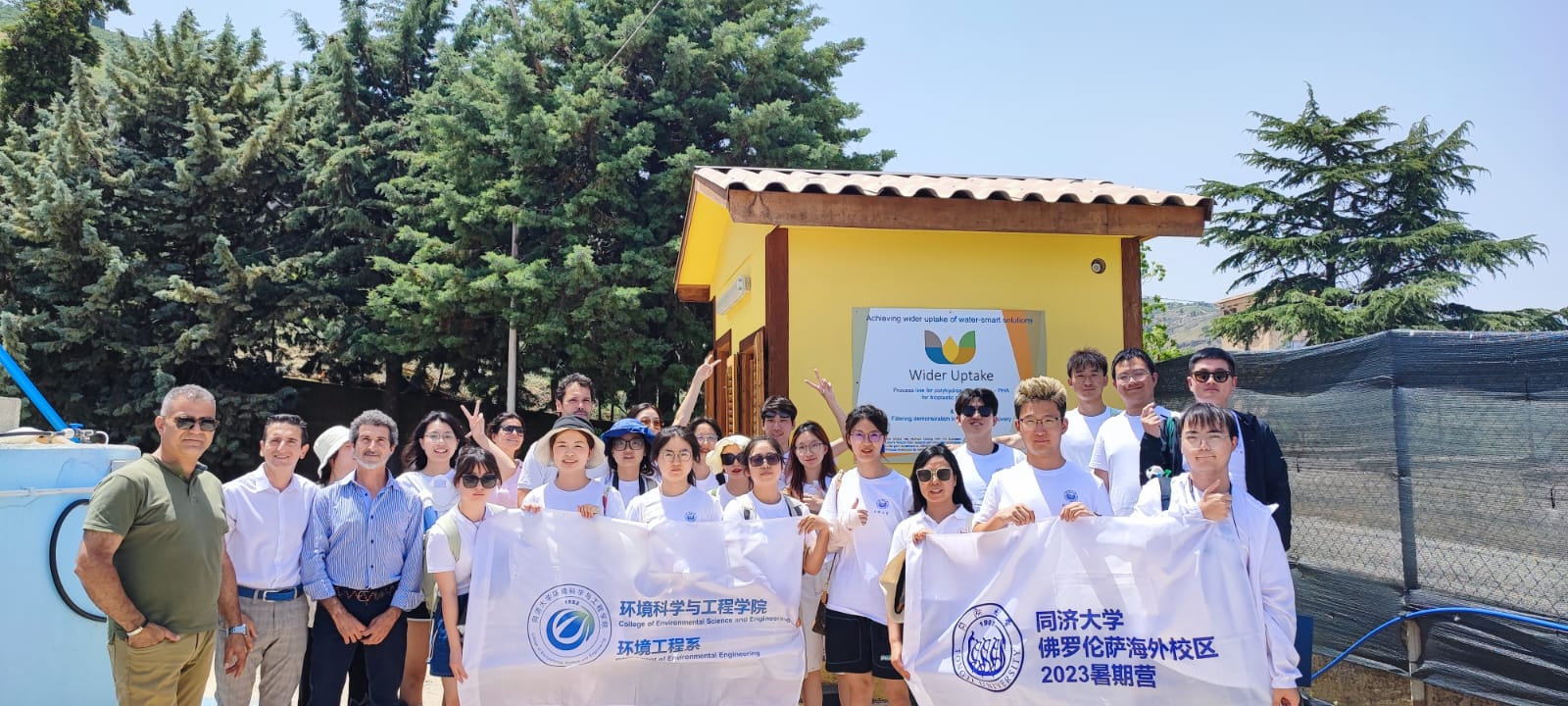
WIDER-UPTAKE Project focused on resource recovery by implementing a process line for the PHA production as well as the installation of final filters filled with biochar and zeolites for nutrients adsorption and slow release fertilizer production.
Corleone WWTP
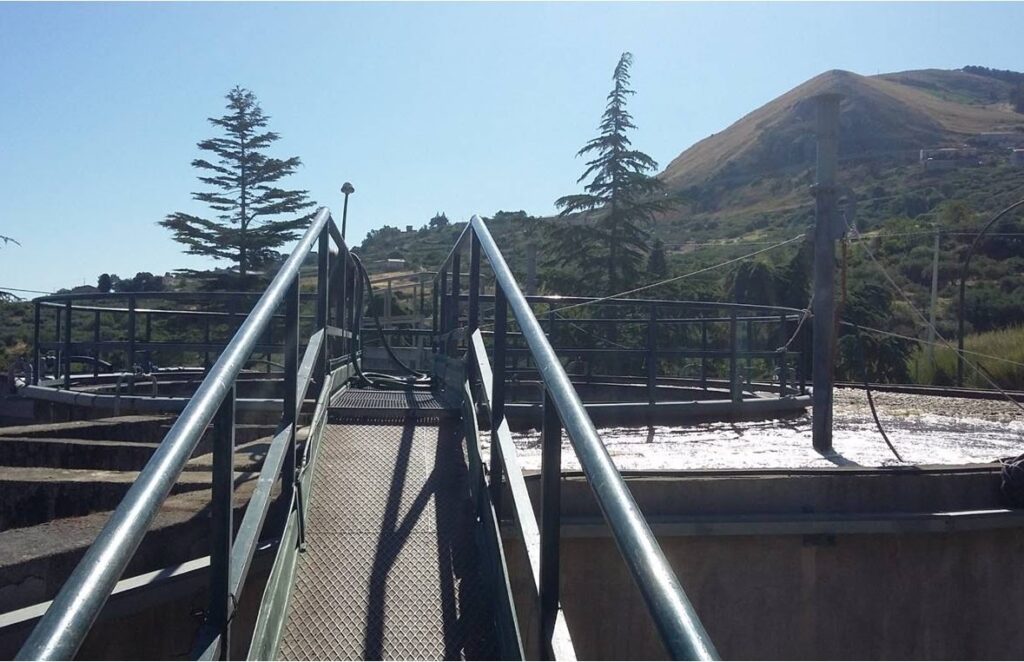
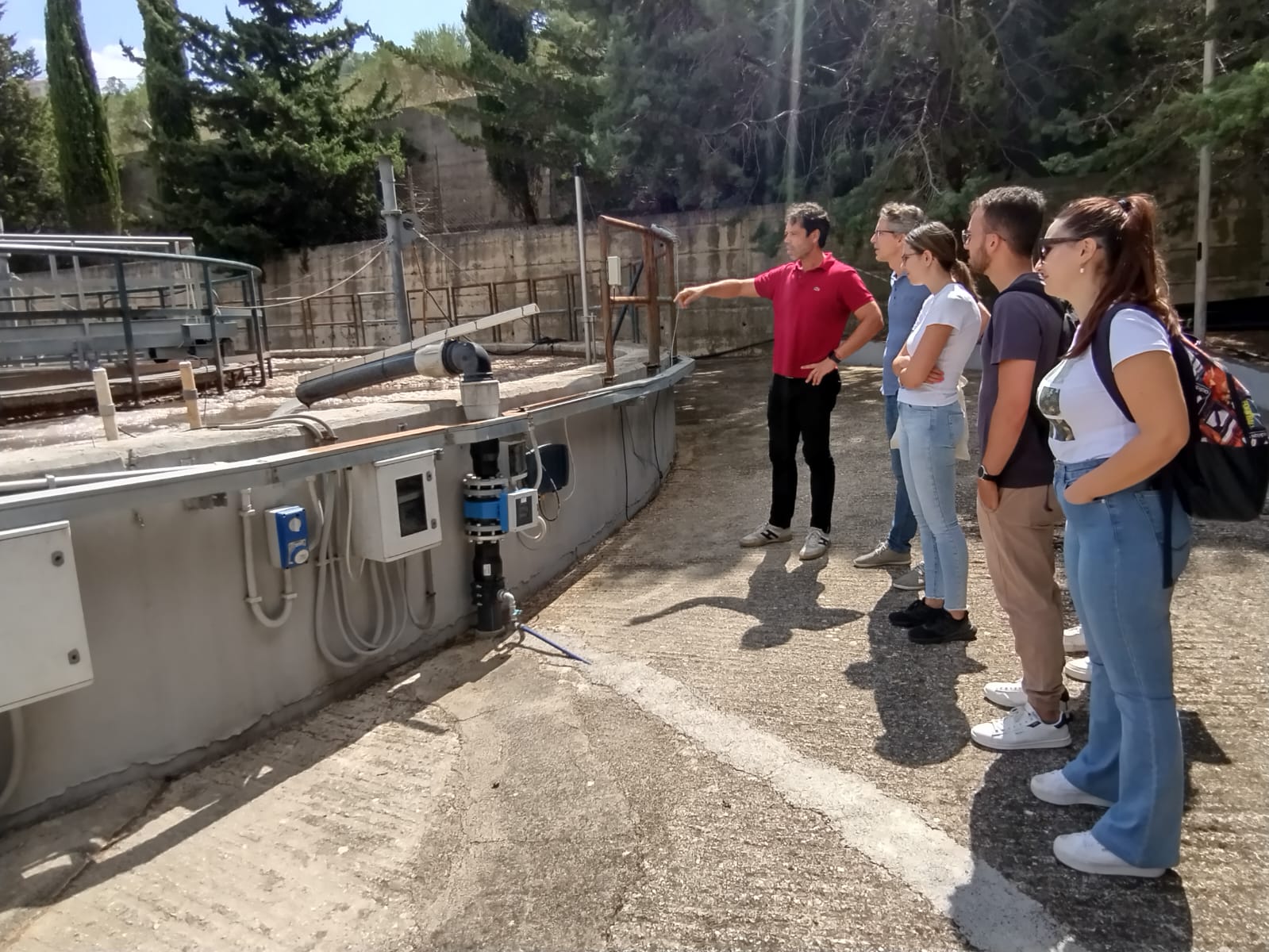
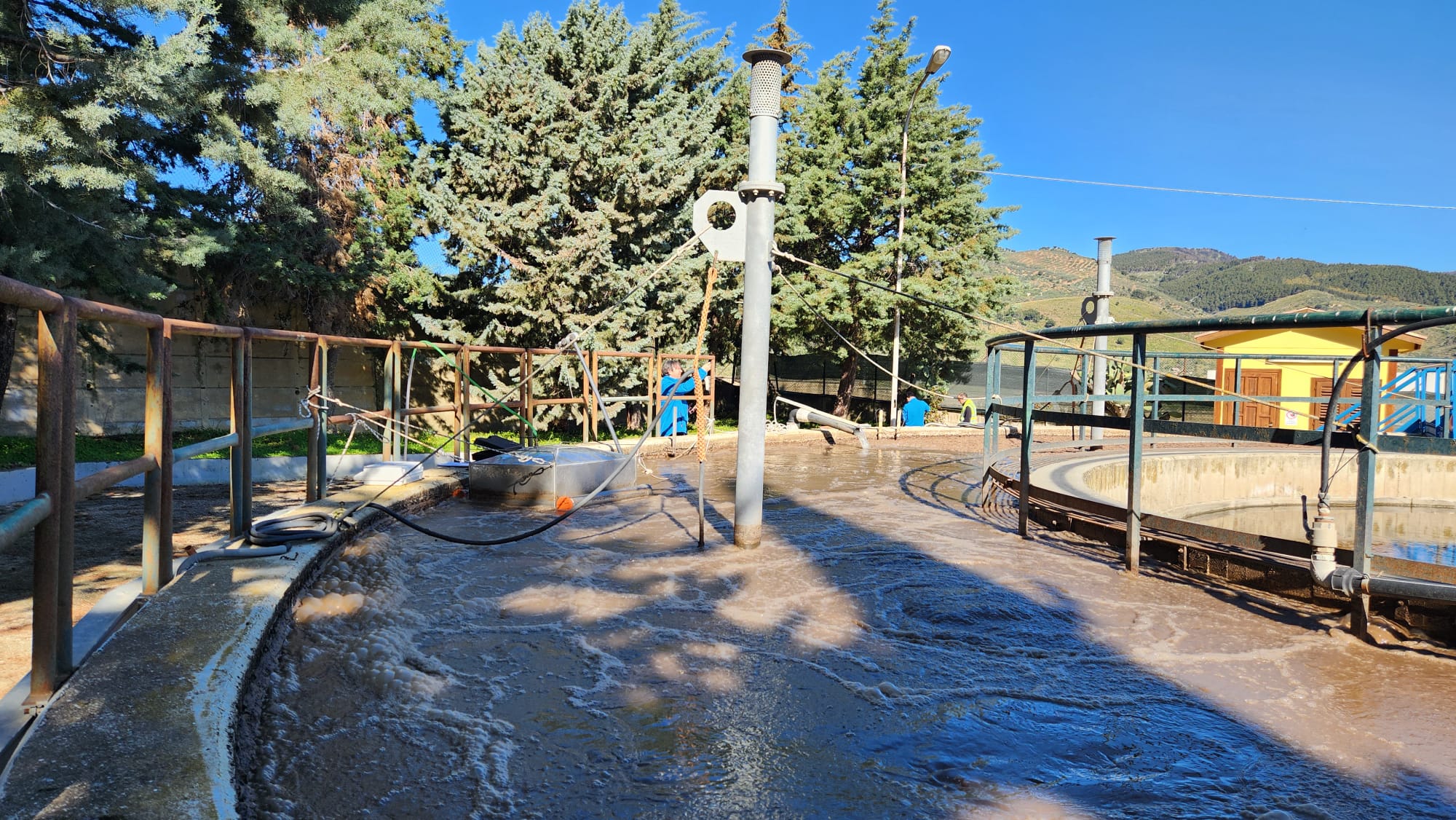
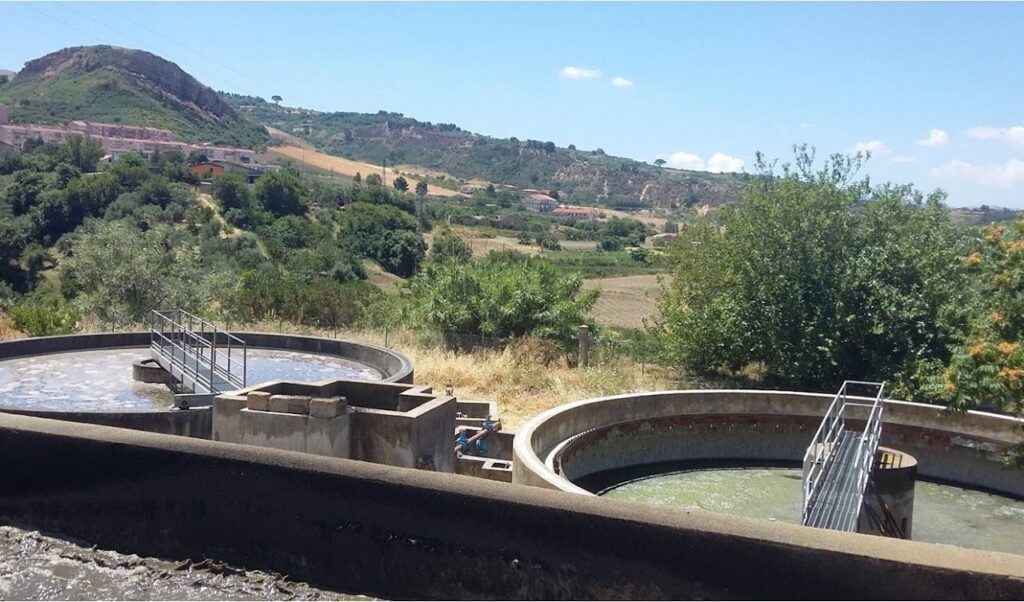
The Corleone WWTP (12,000 IE) is a typical conventional activated process having two aerobic biological reactors with surface aeration followed by three final clarifiers. The WWTP also has membrane modules for final effluent filtration and a distribution network for water reuse (irrigation) by local agriculture and green urban areas (i.e. green gardens).
WIDER-UPTAKE Project will focus to water reuse in agriculture, an experimental field trial will be conducted for the assessment of field interactions among water-soil-plants.
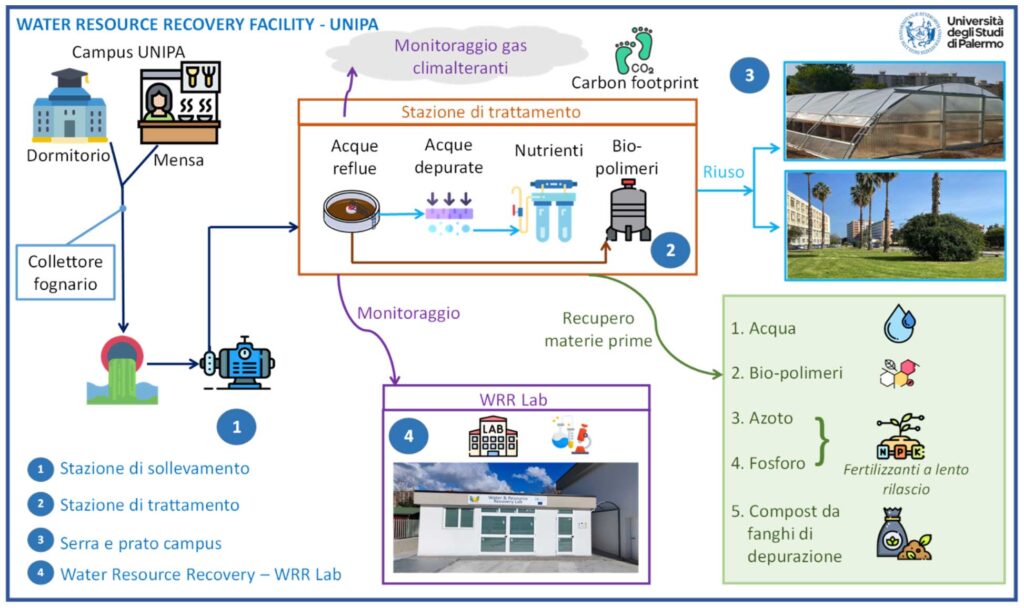
The UNIPA WRRF is composed of four main elements
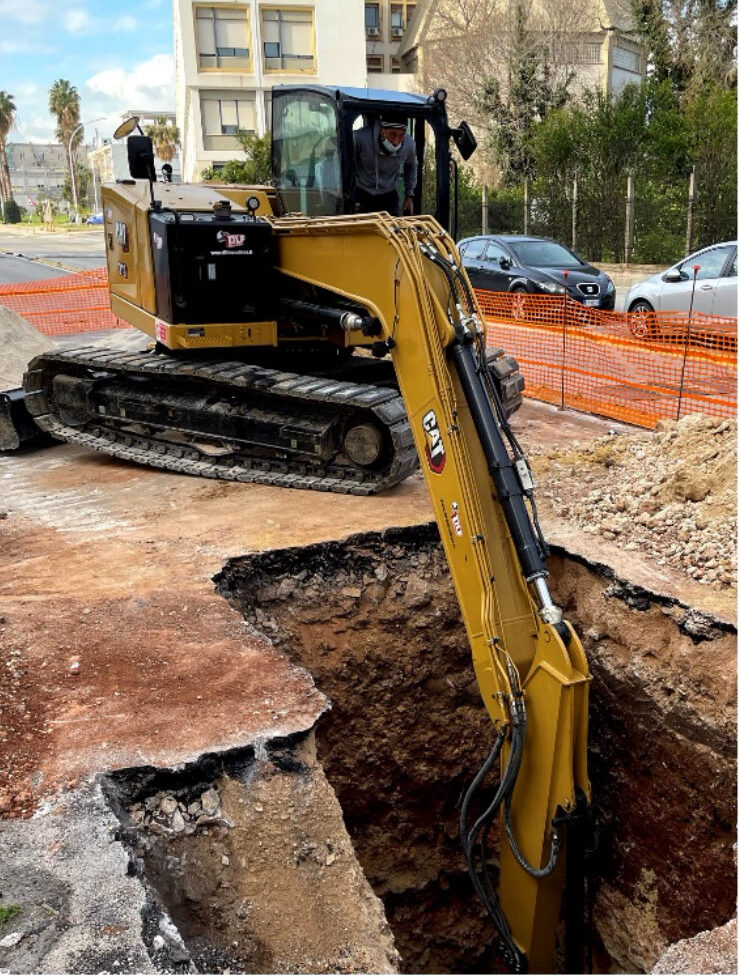
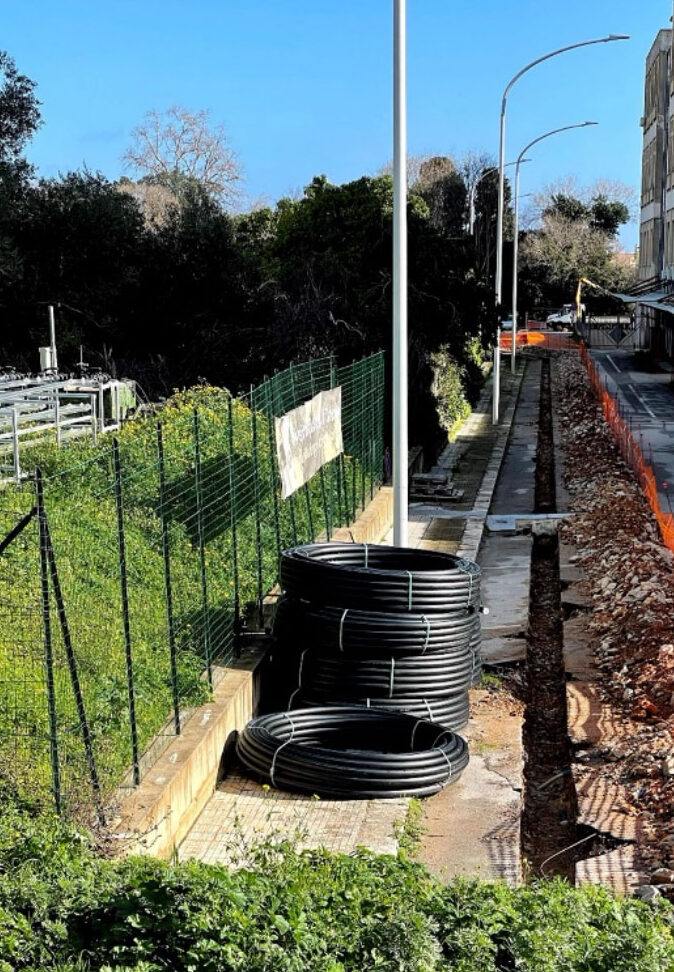
1) An innovative pumping station (1500 m underground conduits d=800 mm) for collecting the wastewater produced by the university campus facilities;;
2) A pilot plant hall composed of three treatment lines (0.7 m3/day treatment capacity): nutrients recovery, biopolymer production and water reuse;
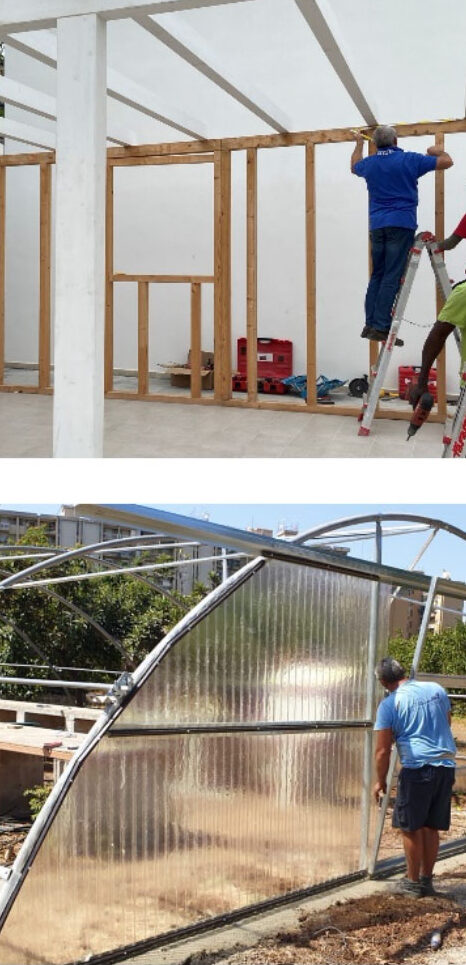
3) A greenhouse facility and an irrigation system for the green areas of the campus in order to study the water-soil-plant interaction;
4) An innovative Water & Resource Recovery laboratory (around 100 m2) is used to perform chemical-physical analyses, greenhouse gas emissions monitoring and environmental impact evaluation
The main goal of the WRRF – UNIPA is the recovery of the following resources from wastewater treatment:
The construction works of the WRRF-UNIPA began in September 2020 and followed a complex authorization process which saw various bodies and expertise involved: superintendence of cultural heritage, municipality of Palermo, department of urban planning and university of Palermo. The demonstration case study was inaugurated on October 17, 2022.
The WRRF-UNIPA adopts innovative technologies for the recovery of resources from the production of water suitable for reuse. Here the main water-smart solutions adopted
GROUP 1
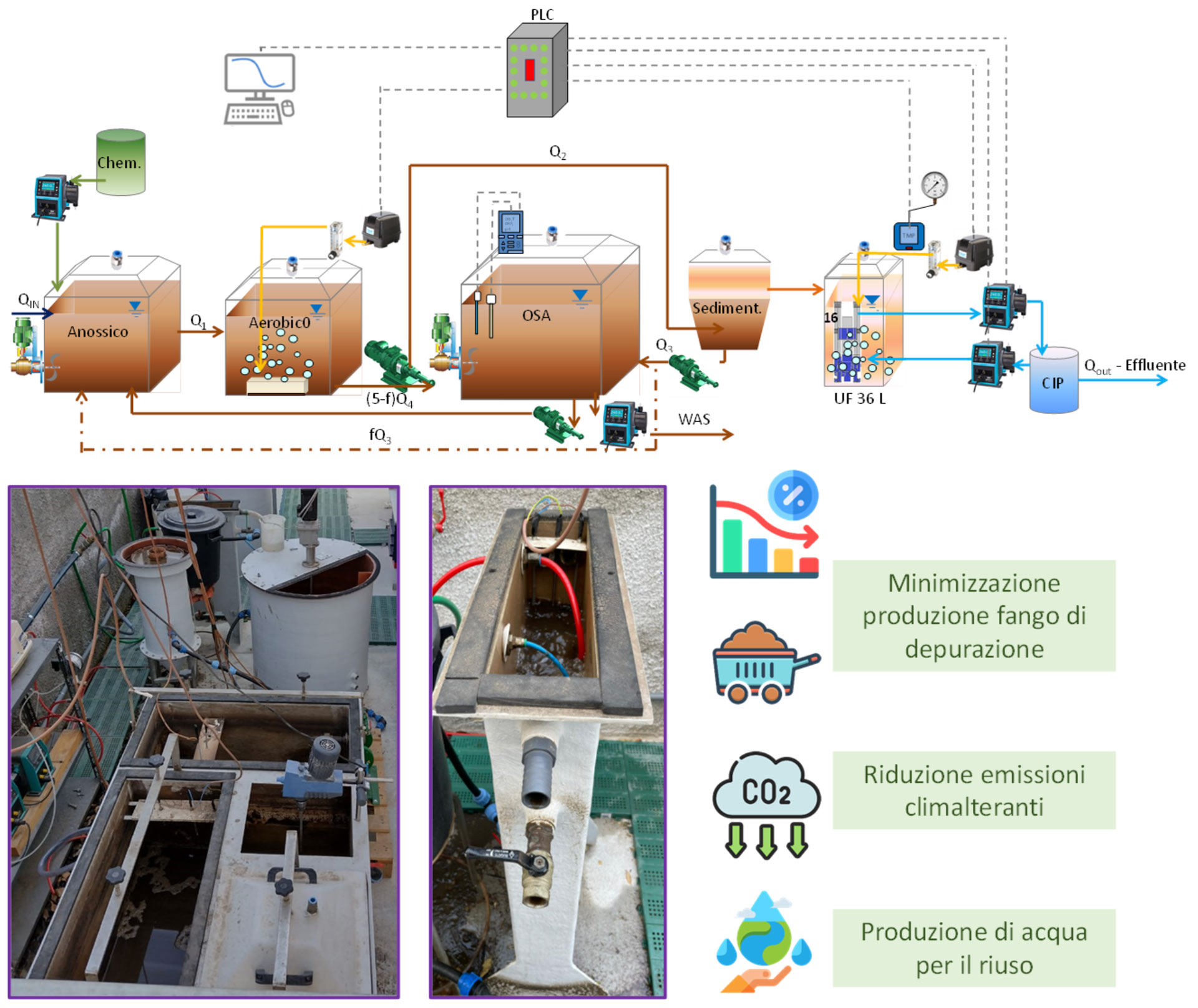
Sludge minimization and production of water suitable for reuse
The wastewater produced within the campus is treated with an innovative and technologically advanced system. Through the application of the innovative Oxic Settling Anaerobic process, the production of sewage sludge to be disposed of is reduced. The use of polymeric or self-forming ultrafiltration membranes allows the production of water with a quality suitable for agricultural reuse.
Technologies for sludge reduction and production of treated water
GROUP 2
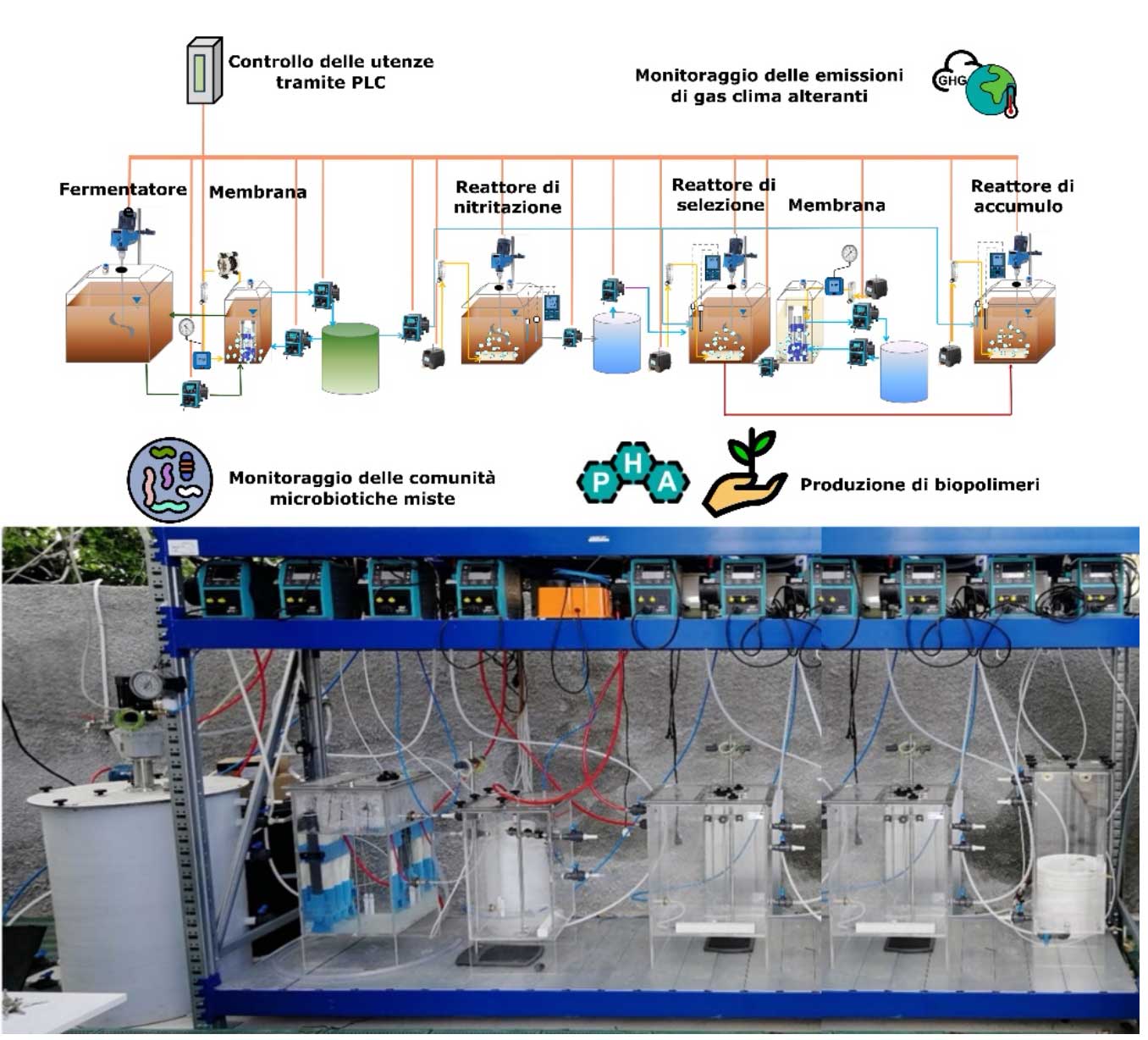
Production of biopolymers (PHA)
The excess sewage sludge produced is used to train the microorganisms capable of producing PHA, which is subsequently extracted and used as a bioplastic precursor.
Technologies for biopolymer production
GROUP 3
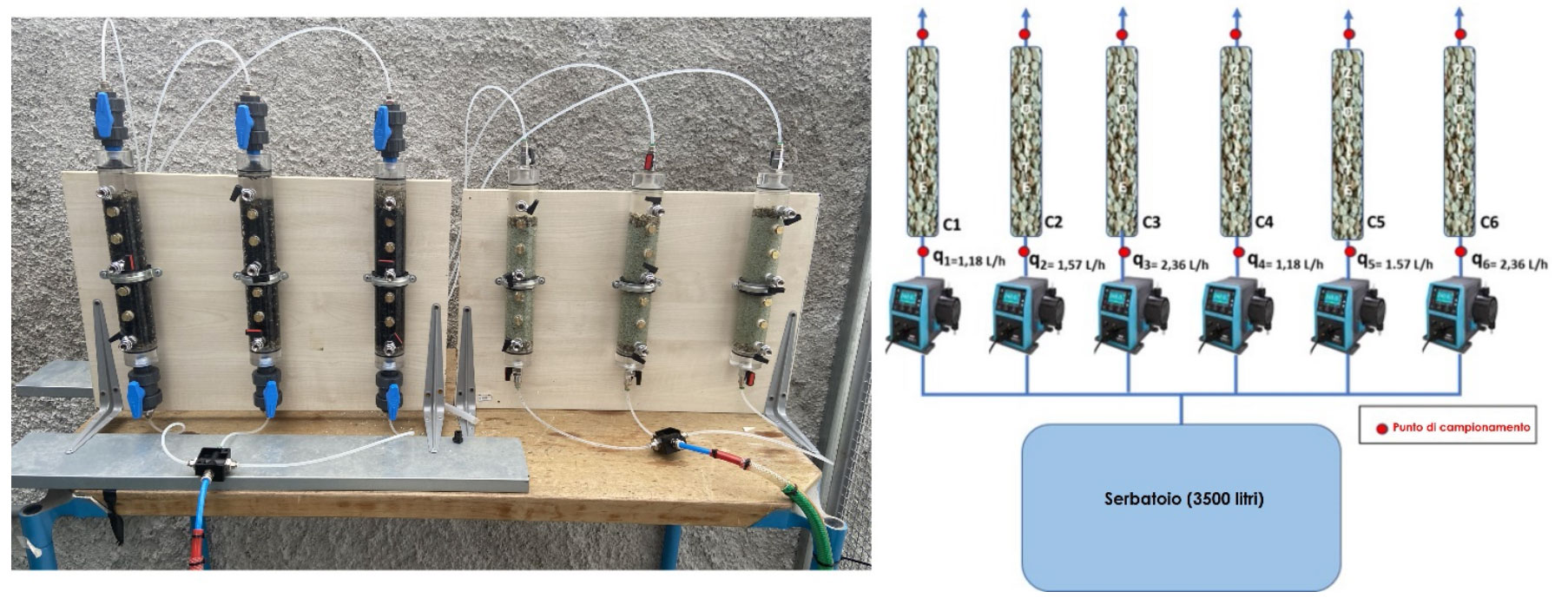
Adsorption/Desorption columns
Biochar and Zeolite are enriched with nitrogen and phosphorus using ionic adsorption-desorption columns. The enriched materials are then used as slow-release fertilizers.
Technologies for fertilizers production
GROUP 4
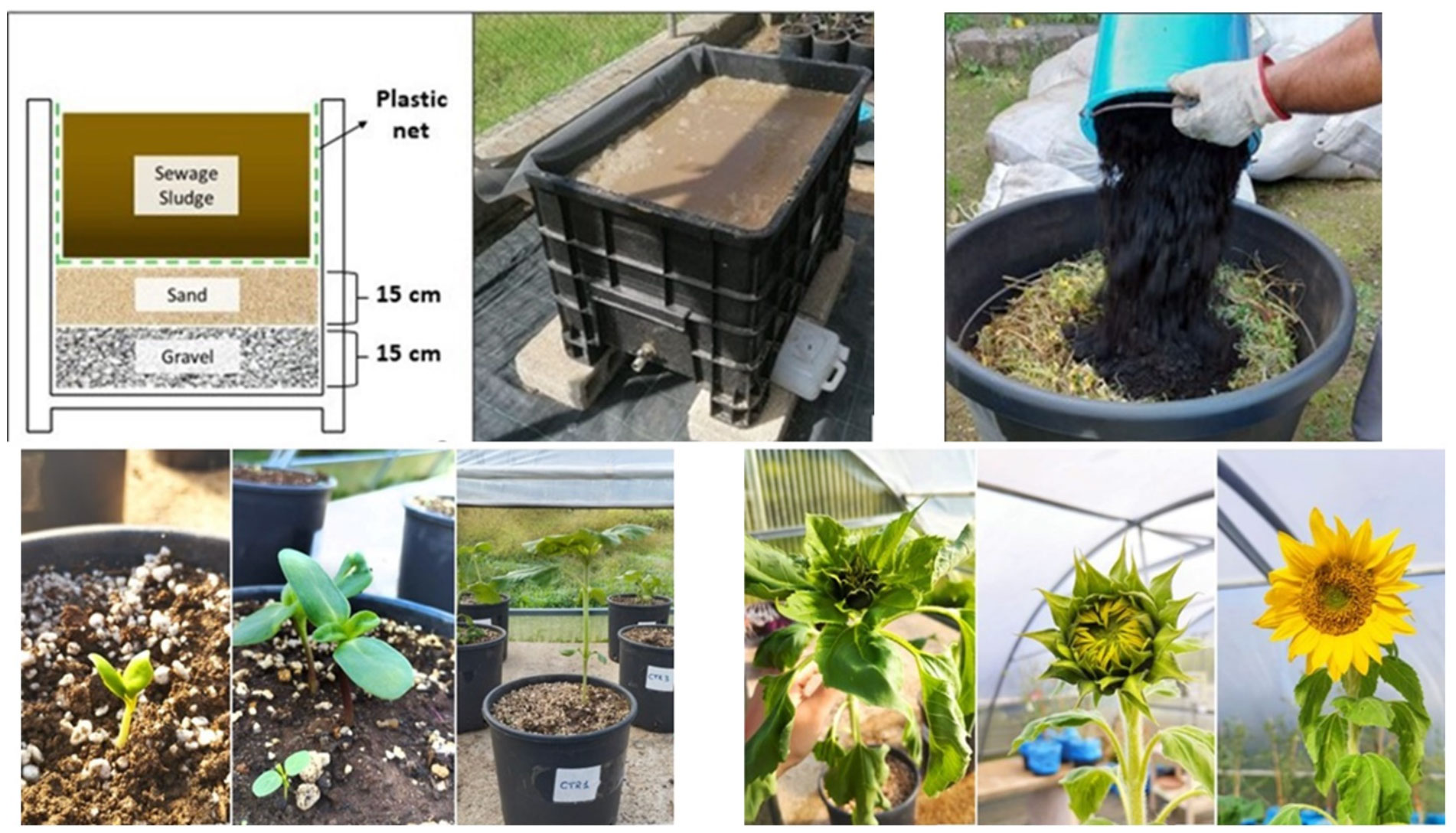
Production of compost from sewage sludge
The sludge produced is dried and used as compost for the growth of plants in the greenhouse facility
Production of compost from sewage sludge
This website uses cookies to improve your experience. We'll assume you're ok with this, but you can opt-out if you wish. Read More